Why it closes in winter
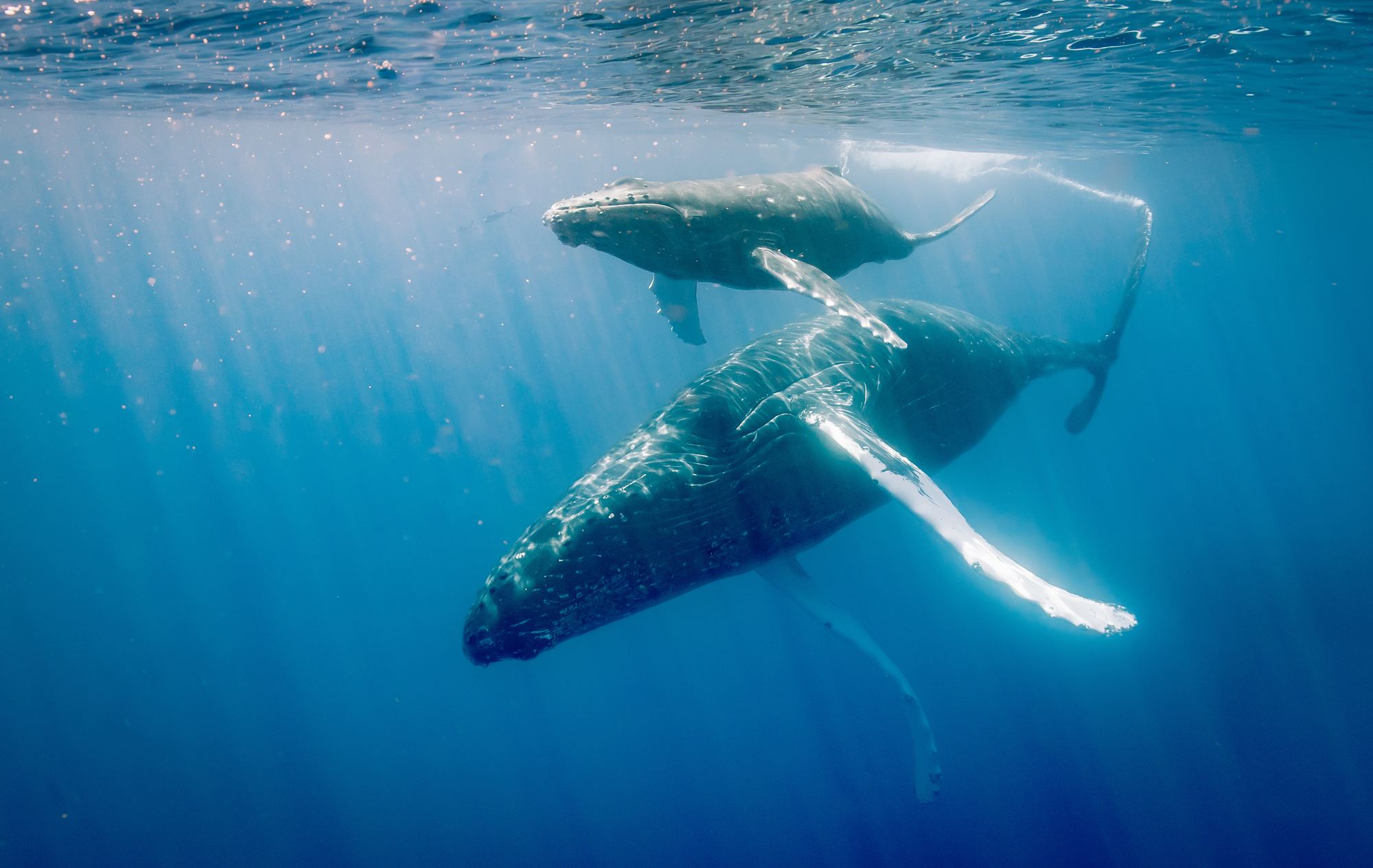
Every winter, humpback whales leave their Alaskan feeding grounds and swim roughly 3,000 miles to Hawaiʻi — one of the longest migrations of any mammal. They come here to mate, give birth, and nurse their calves in warm, shallow, predator-free water. The channel between Maui, Lānaʻi and Molokaʻi is the best of it, and it is the same water our tow line runs over.
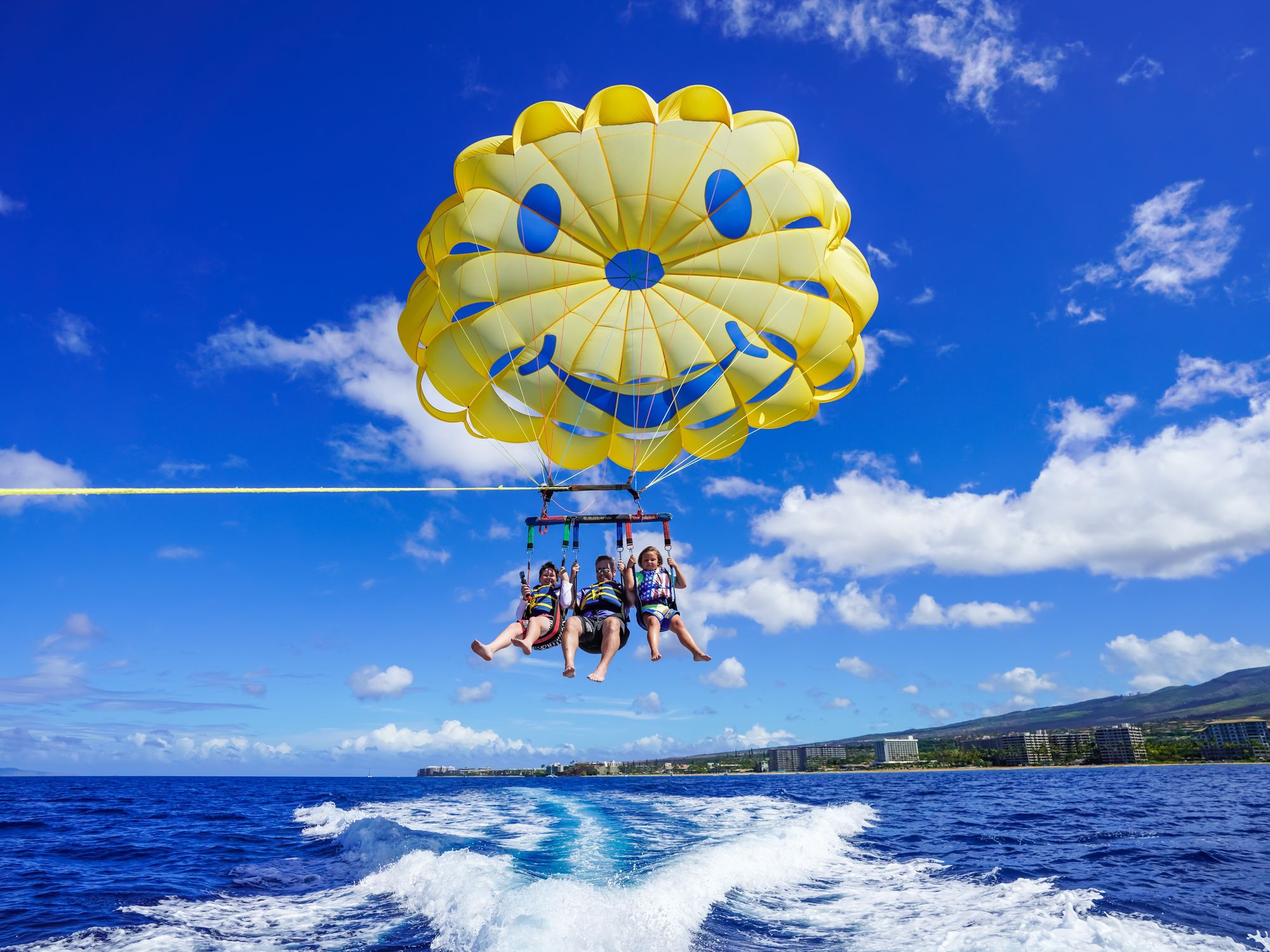
So parasailing stops. We are required to shut down for the season: the boats come off the water, the gear is inspected and rebuilt, and we go back out on May 16 once the whales have headed north again.
Best months to fly
All of them, honestly — Kaanapali sits in the lee of the West Maui Mountains, so the water here is protected year-round in season. If you want the flattest water and the clearest view across to Lānaʻi and Molokaʻi, book a morning departure.
Summer through early fall is the busiest stretch, so departures fill further out. May and December are quieter, with the same flight and shorter waits.
How far ahead to book
Guests book us an average of about two months out. In practice: reserve before you leave home if you're travelling in summer or over a holiday week, and a few days ahead is usually fine in the shoulder months. Morning slots go first either way.
If you're here in the off-season
Between December 14 and May 16, nobody on Maui is parasailing — so if an operator tells you otherwise, ask questions. What the winter offers instead is the whales themselves, right off the same beach.
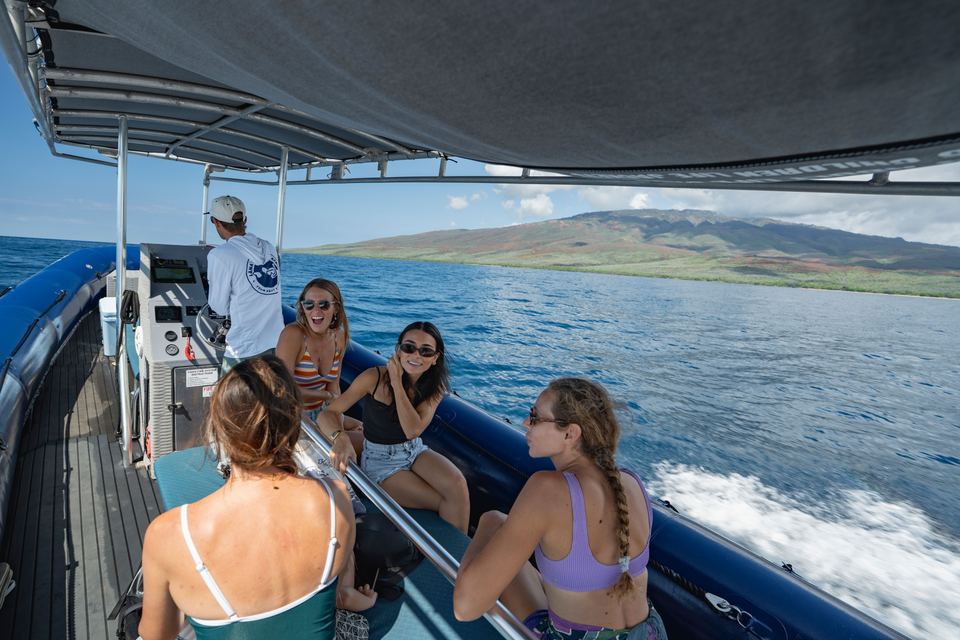
That's what our sister operation, Maui Whale Adventures, is for — and honestly, the trade is a fair one.